About the 4th Congress of the GANSID
The GANSID Congress 2026 is a global gathering, bringing together clinicians, researchers, laboratory and/or translational scientists, patient organizations, industry partners, policymakers, and global health agencies.
Building on the success of previous virtual congresses, the GANSID Congress 2026 is the1st in-person Congress of the GANSID, offering a unique cross-disease platform focused on inherited blood disorders.
The 2026 Congress will focus on key scientific and health system priorities, including:
- Emerging therapies and curative approaches, including gene and cellular therapies
- Advances in transfusion medicine and comprehensive care
- Implementation science and health system integration in low- and middle-income countries
- Patient-centred outcomes, quality of life, and community engagement


What you can expect
Inclusive by Design
Carefully curated sessions from renowned speakers, delivering actionable insights and cutting-edge knowledge
World-class speakers
Carefully curated sessions from renowned speakers, delivering actionable insights and cutting-edge knowledge
Networking
Connect with hundreds of diverse health professionals, advocates, and individuals with lived experiences
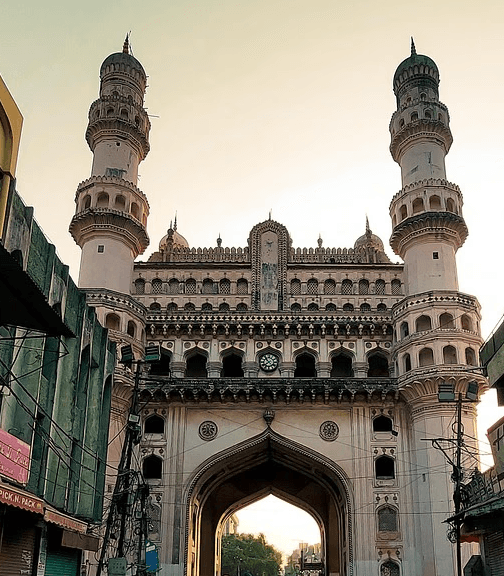
Why Hyderabad?
a global hub for life sciences, biotechnology, pharmaceuticals, and clinical research, HICC offers state-of-the-art conference infrastructure, modern exhibition halls, and seamless connectivity to international and domestic travel. The city’s strong healthcare and research ecosystem makes it an ideal setting for a global scientific congress focused on advancing care for sickle cell disease and other inherited blood disorders.
Hyderabad also offers a vibrant cultural experience, excellent accommodation options, and a proven track record of hosting major international medical and scientific meetings, ensuring a high-quality experience for delegates, exhibitors, and partners alike.
11%
of global vaccine production
5+
of global vaccine production